Then and now: 15 years of known unknowns

This is Part 2 of our series celebrating 15 years of the Deep Sea Mining Campaign
See Part 1 here
_______________
What our report ‘Out of Out Depth’ predicted in 2011 and what we know now
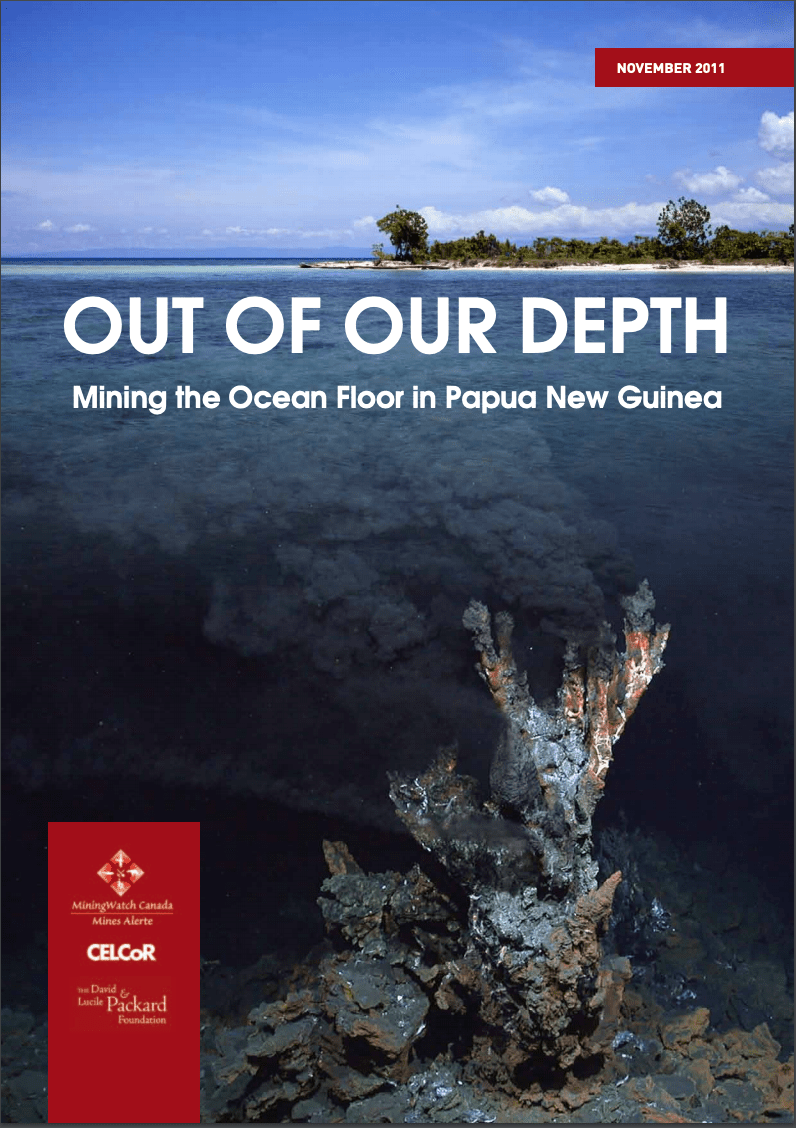
In November 2011, our founding report, Out of Our Depth: Mining the Ocean Floor in Papua New Guinea made a simple but damning point: almost nothing was known about the risks of mining the deep seafloor, and the Government of Papua New Guinea had licensed the world’s first commercial deep sea mine anyway.
Our report put it plainly, that only 5% of the earth’s oceanic ridges had been surveyed in any detail, and as a result “it is not possible to predict the impacts of any individual deep sea mining project, let alone the cumulative impacts of the many potential deep sea mining projects proposed for the Bismarck Sea and throughout the Pacific.”
Fifteen years and many more DSMC reports later, that knowledge gap hasn’t been closed. Here’s what’s changed, and what hasn’t.
So Many Known UnKnowns
Our 2011 report flagged that Nautilus Minerals’ Environmental Impact Statement had barely modelled the heavy metals its own sediment plumes would release, let alone tested their toxicity on the species that would be exposed to them
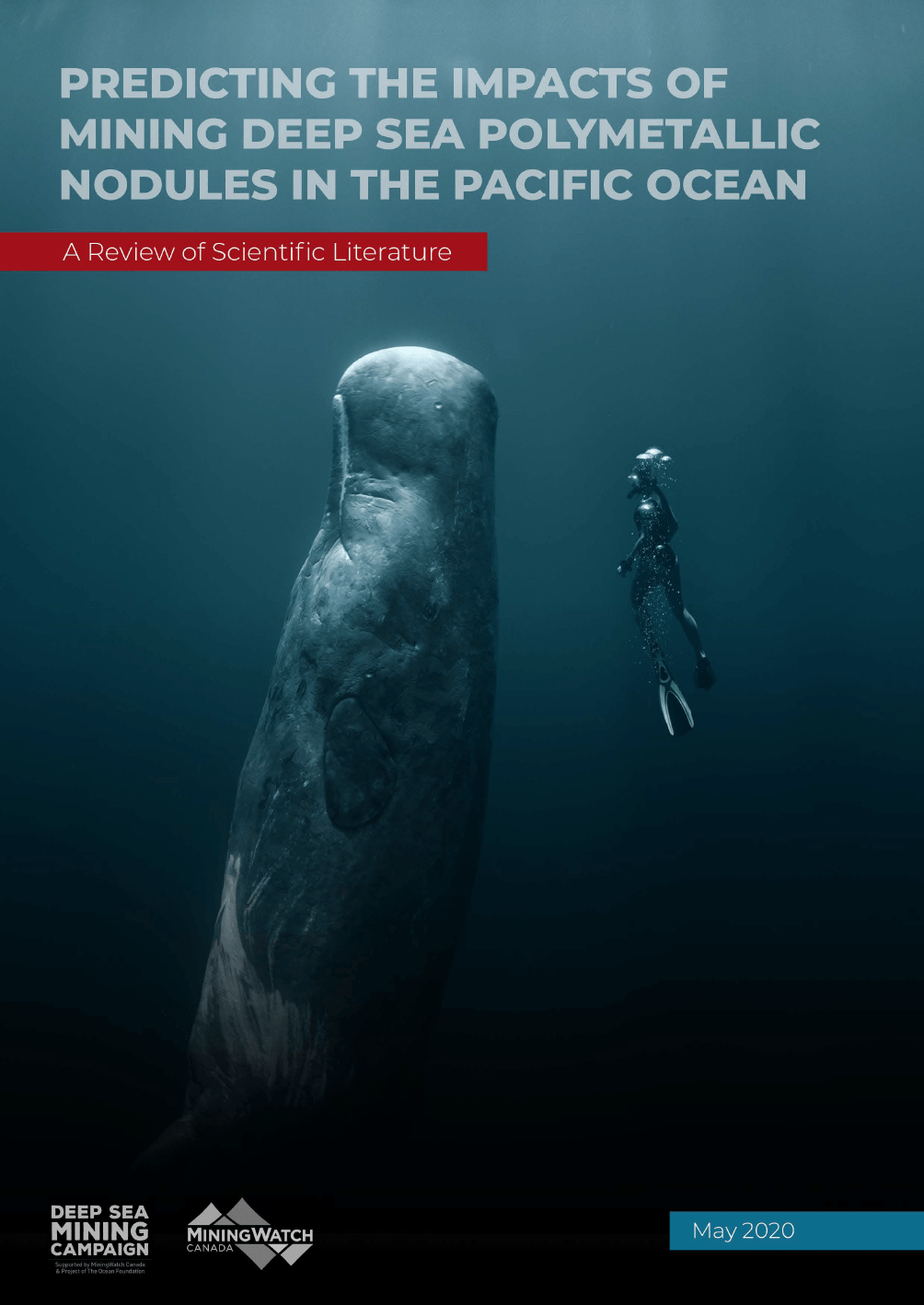
Our May 2020 report, Predicting the impacts of mining of deep sea polymetallic nodules in the Pacific Ocean: A review of Scientific literature more than 250 scientific and other articles were examined to explore what is known — and what remains unknown — about the risks of nodule mining to Pacific Ocean habitats, species, ecosystems and the people who rely on them. The report details scientifically established risks, including those related to the lack of knowledge surrounding this emerging industry. The report found that the impacts of DSM are severe and long-lasting, with potential damage to marine life, water quality, and even human health.
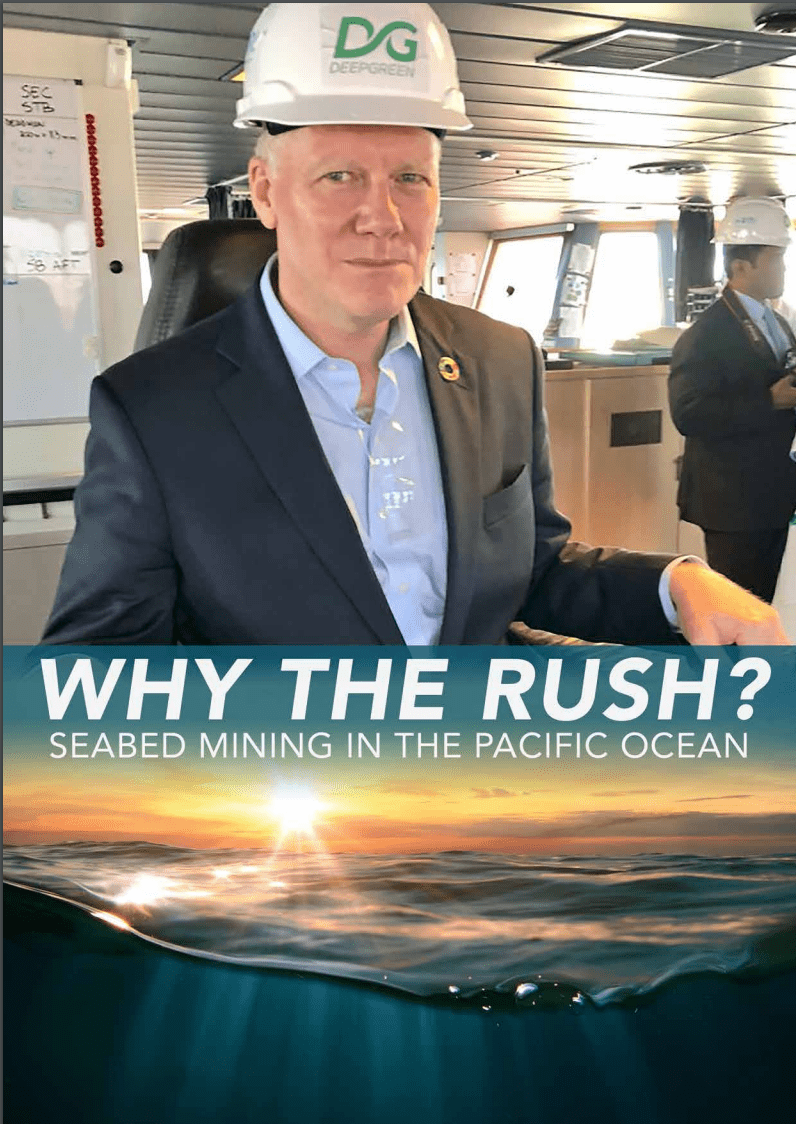
Building on this report and Why the Rush for Deep Sea Mining, DSMC collaborated with INTERPRT and Ozeanien-Dialog to produce Blue Peril in 2022, a 16-minute visual investigation that presents a scientifically robust and disturbing picture of the far-reaching impacts of DSM for Pacific Island communities.
Our June 2026 report, Critical Questions about the Risks of Radiation Toxicity from Deep Sea Mining shows just how much is still unknown. Polymetallic nodules and seafloor massive sulphides don’t just carry heavy metals, they concentrate naturally occurring radioactive isotopes at 10 to 20 times the levels found in surrounding sediment.
The most dangerous of these, including polonium-210, are alpha-particle emitters capable of delivering concentrated radiation doses to organs and tissue if ingested, damaging cells, DNA and protein. Significantly alpha radio-isotopes are known to bioaccumulate and biomagnify up marine food webs, potentially also to human consumers. DSM will undoubtedly release radioisotopes along with metals.
And it’s not only these toxicants that are tucked away in the deep sea bed. It’s also the final oceanic resting place for pharmaceuticals and microplastics.
Deep-sea species are long-lived and slow-growing. Some fauna, such as sponges, corals and anemones live for decades to centuries permanently attached to hard seabed surfaces like polymetallic nodules. This means they could face chronic toxicity from radiation exposure, metals and anthropogenic pollutants – even beyond the life of DSM operations.
As our report states, “research to safeguard the health of marine and deep sea species, ecosystems and human consumers from DSM-induced radiotoxicity is almost entirely lacking.” The International Commission on Radiological Protection’s three reference marine organisms don’t even include deep sea or pelagic (open ocean) biota.
In 2026, we’ve learned there’s an entire new set of reasons to worry about DSM that the industry, regulators and scientific community are yet to acknowledge.
The Risks and Ruse of Self regulation
Our 2011 report was sceptical of Nautilus’s plan to manage its own environmental impacts. It called for independent monitoring “by a team of experts and civil society representatives” throughout the life of the mine. Would you consider a company grading its own homework to have rigorous independent oversight?.
Fifteen years on, the industry’s version of that same idea has morphed into “digital twin” technology accompanied by an Adaptive Management System. Led by the same crew who were behind Nautilus, The Metals Company (and others) plan to use digital simulation of the marine environment with a ‘learning by doing’ (or in the case of DSM a learning by destroying) management regime.
Despite TMC’s boast that Digital Twins (DT) and Adaptive Management Systems (AMS) will provide the ‘eyes and ears’ of their operations to regulators and to citizens globally, today’s digital twins are very far away from replicating dynamic and complex environments like the ocean or the wide-ranging environmental impacts predicted to result from DSM. Furthermore, AMS are totally inappropriate to manage the impacts of an extractive industry that will create instantaneous environmental damage. All to short cut their route to profits instead of the years of baseline science regulators would otherwise require.
Our October 2024 briefing paper, Digital Twin Technology and Adaptive Management Systems For Deep Sea Mining found the data these systems capture will likely be limited to equipment performance and “a small number of readily measured environmental parameters”, not the broad range of ecological harm society and regulators actually need to monitor.
The application of AMS and DT to DSM would offer this unprecedented industry the opportunity to mine world oceans under a facade of cautious environmental management. It would mask the paucity of knowledge about deep sea ecosystems, the broader roles these play in stabilising planetary systems, and the likely cascade of impacts DSM would create . And this management masquerade is driven by The Metals Company which didn’t report a pollution spill from its support vessel during test mining until scientists on board, disgusted with the lack of accountability, leaked video footage of it.
“Proceeding with DSM under the smokescreen offered by AMS and DTs would facilitate a regulatory free -for-all. It would not enable the high standard of management appropriate for an environment recognised by international law as the common heritage of humankind.”
__________________
Follow along as we mark 15 years ↓ subscribe below ↓
REPORTS
WATCH BLUE PERIL